How do you choose natural stone tile for a bathroom?
Last updated November 2026.
Quick answer
- Wet slip benchmark
- ANSI A326.3: wet DCOF of 0.42 or greater for Interior Wet tile
- Floor finishes
- Honed or textured generally preferred over polished
- Bathroom marble sealing
- Often every 2–3 years, tested with a 15-minute water drop
- Softer stones
- Marble, travertine and limestone react to acids and need sealing
- Hardest common choice
- Granite, very resistant to scratches and stains
Choose the stone by wear and wetness, then the finish by slip risk. Honed or textured stone suits floors, and polished suits walls. Seal it, and ask for slip data: ANSI A326.3 sets a wet DCOF of 0.42 as the benchmark for Interior Wet tile, though the number alone does not guarantee suitability.
Get a quote with exact size and weight
Which natural stones work as bathroom tile?
Marble, travertine, limestone, slate and granite all work, with different trade-offs. Fine Homebuilding describes marble as soft with colored veining, travertine as beige to gray with surface cavities that trap dirt, limestone as softer than most and easier to stain, and granite as very hard and resistant to scratches and stains.
| Stone | Look | Watch for |
|---|---|---|
| Marble | White to gray veining | Etches under acids; seal |
| Travertine | Warm, linear, matte | Surface cavities; fill with grout or epoxy |
| Limestone | Pale, quiet | Softer, stains and scratches |
| Slate | Earth tones, textured | Quality varies |
| Granite | Speckled, dense | Hardest; limited white options |
Source: Fine Homebuilding, Natural Stone.
Pick by room zone. Wall tile can be any of these. A floor sees water, grit and dropped objects, which favors the harder, denser stones, while limestone is better kept out of high-traffic spots. Travertine's cavities can be filled with grout or epoxy, and small holes may develop as it wears, which is normal.
Planning a stone bathtub?
Tell us about the room. We reply within one business day with options, and every quote gives the exact dimensions and weight of the piece.
What formats and finishes look best?
Large-format tile and slab cladding keep joints few and read as one surface. Small mosaics suit shower floors: Crossville lists frequent grout joints among the features that add traction for wet areas.
- Polished: mirror-like, shows scratches and wear. Keep to walls.
- Honed: matte, suits contemporary and traditional rooms. See honed vs polished marble.
- Tumbled: rough and pitted, hides wear but stains more easily than polished stone.
Trim pieces are generally unavailable for stone, so bullnose and edges are made by a fabricator or with a polishing kit.
Use a consistent finish across a room. A honed floor under polished walls is a common, safe pairing because the walls see no foot traffic. Order 10% or more extra, since stone varies from box to box and cut tile is hard to match later.
What does DCOF 0.42 mean for bathroom tile?
DCOF is dynamic coefficient of friction, measured under ANSI A326.3, the tile standard developed by the Tile Council of North America. Interior Wet tile must reach 0.42 or higher when wet. Crossville notes that meeting 0.42 does not make a tile suitable for every project, and that the categories are general guidance, not the sole basis for selection.
The standard classifies porcelain and ceramic tile by use category. Natural stone is often sold without a published DCOF, so ask the supplier for data on the exact stone and finish, and have a design professional confirm it for a wet floor.
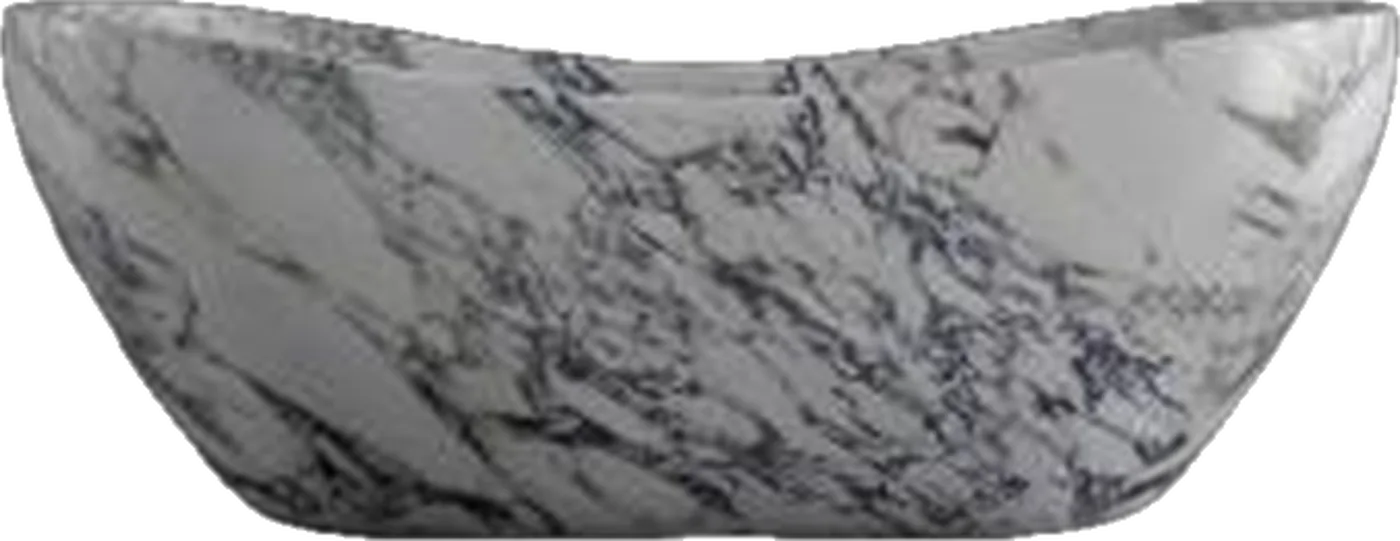
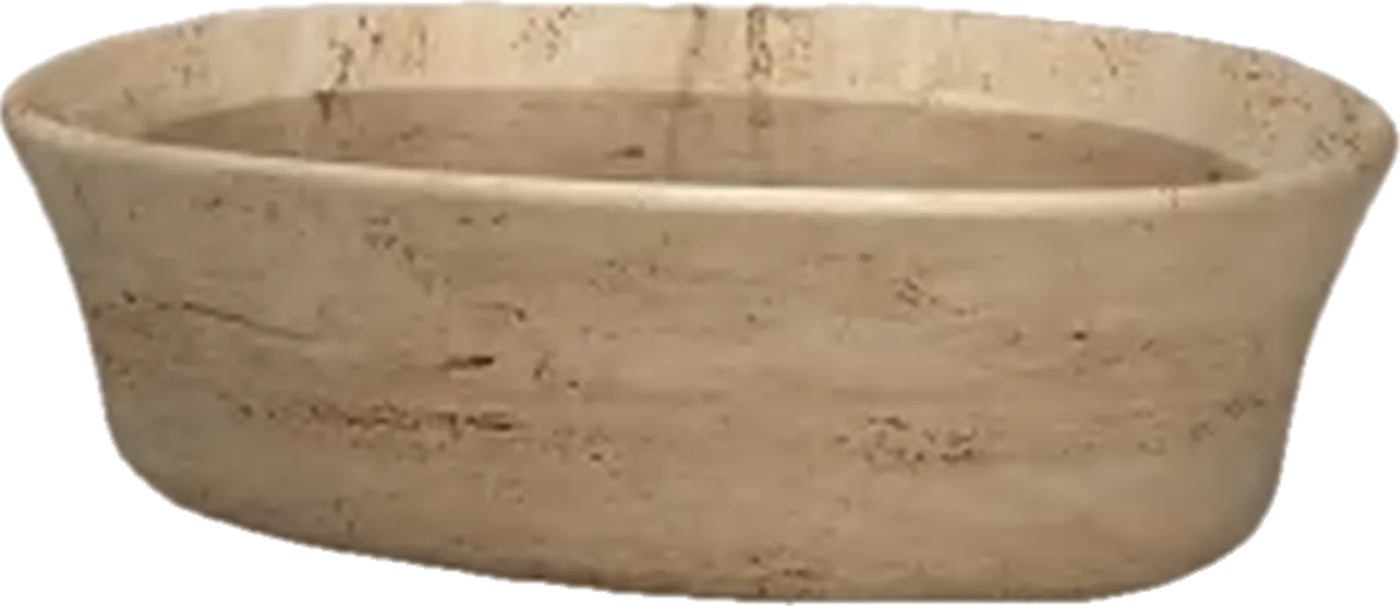
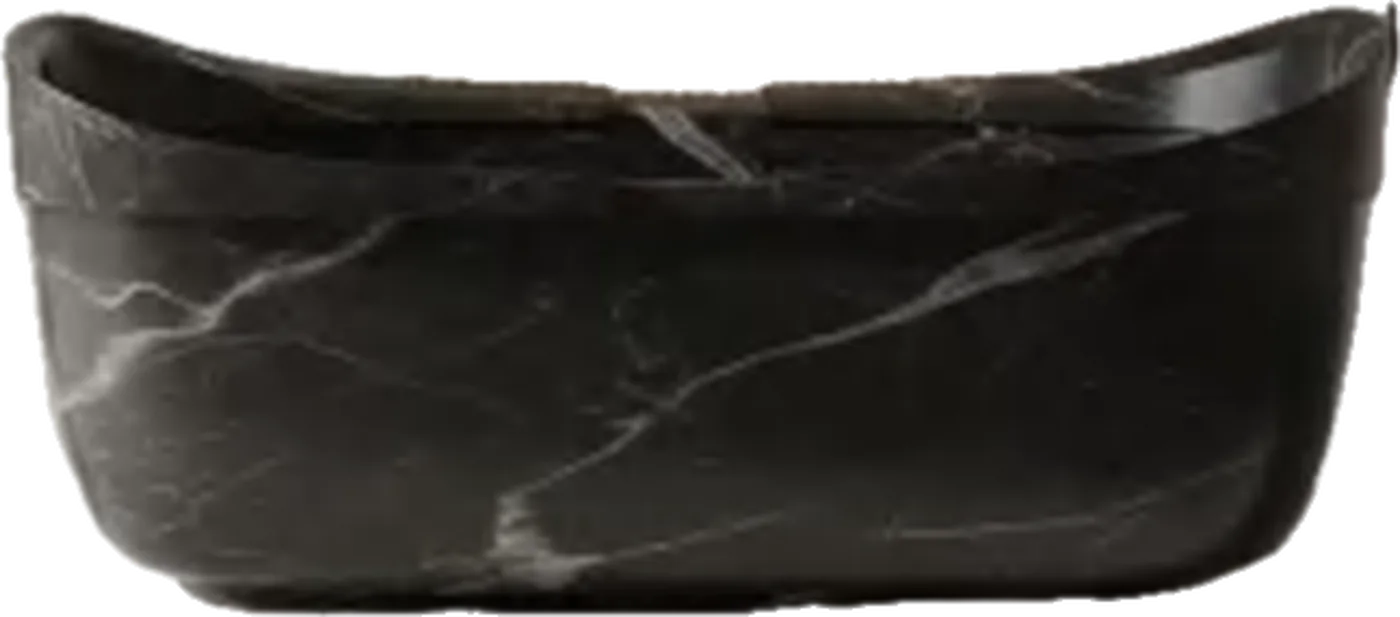
Which finish is safest on a stone bathroom floor?
Honed or textured finishes, which supplier guidance generally prefers over polished for wet floors. Polished is the finish that shows scratches and wear most, per Fine Homebuilding. Honed stone is matte and suits both contemporary and traditional rooms. No single figure applies to a whole stone type, so ask for wet DCOF data on the exact stone and finish.
In showers, use small formats or a textured floor tile and keep polished stone for walls.
How often should bathroom stone tile be sealed?
Marble in a bathroom is often resealed about every 2–3 years, versus 6–12 months in a kitchen. Do a water test: pour about a quarter cup, wait 15 minutes, and reseal if the stone darkens. Honed and white Carrara marble are more porous and may need sealing sooner.
Penetrating fluoropolymer sealers last about 3–5 years and silicone or siloxane types 1–3 years, though those lifespans come from fabricator experience, not controlled testing. Sealers reduce absorption but do not prevent etching. See the sealing guide.
Seal after the grout has cured, and use a grout and sealer pairing the stone supplier approves. Sealing dirty or damp stone is a common mistake because it traps grime and moisture.
How does natural stone compare with porcelain look-alikes?
Porcelain can match a marble pattern at lower cost and with a published DCOF. It repeats its print and has no real depth. Natural stone varies slab to slab, which is the appeal, and it needs sealing and cares more about acids.
- Choose stone for variation, veining depth and a tactile surface.
- Choose porcelain for a floor that must be low-maintenance or has a published wet DCOF.
- Mixing both is common: stone on walls and vanity, porcelain on the shower floor.
What goes wrong with stone tile in bathrooms?
- Polished floors with no slip data.
- Sealing damp or dirty stone, which traps grime and moisture.
- Acidic cleaners on marble, travertine or limestone.
- Skipping the waterproof layer. Grouted stone is permeable.
Pair tile with a stone vanity or tub from the same family: marble vanities and marble tubs.
Sources
Every piece is made to order. Tell us about the room and we reply within one business day.
Get a quoteOrder the sample book